
Simple Ways to Match Plant, Stone, and Furniture Colors
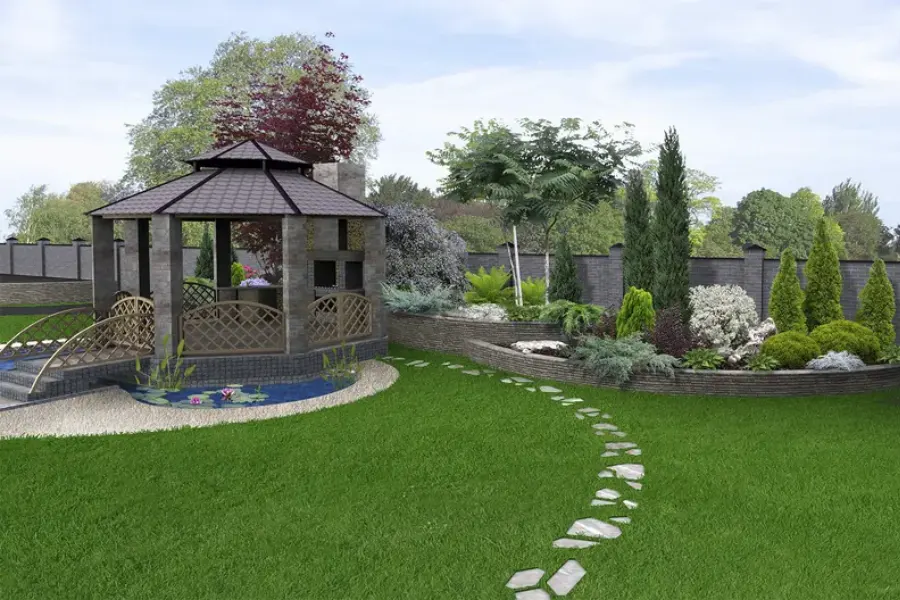
To use color theory in patio landscaping designs, start with one main color family, then add one or two supporting colors. This helps your patio feel calm, balanced, and easy on the eyes. You can use plant blooms, pavers, cushions, pots, and even fence stains to build that color plan. In Madison, OH, this also helps outdoor spaces feel more connected to the home and yard instead of random or busy.
What You Need Before Starting
Before you pick flowers or furniture, take a good look at your space. Color theory works best when you know what colors are already there. Check your house siding, roof, trim, patio stone, and fence. Those fixed parts shape your best choices. This step matters in patio landscaping because hard surfaces often cover a big part of the area.
You should also think about how the patio is used. A quiet reading spot may look best with soft greens, blues, and white flowers. A space for parties may feel better with brighter reds, oranges, and yellows. If your service category includes outdoor design or general landscape planning, this same idea still applies. Good color choices make the whole yard feel more put together.
- A photo of your patio in morning and evening light
- A note of your home’s main colors
- Samples of pavers, mulch, or stone
- A short list of plants you like
- An idea of the mood you want
Step-by-Step Process
You do not need to be an artist to use color theory. A simple step-by-step plan can help you make smart choices without stress.
- Pick a base color. This is often the color of your home, patio stone, or fence.
- Choose a color style. You can use matching shades, colors across from each other, or colors next to each other on a color wheel.
- Select one accent color. This gives the space some life without making it feel too loud.
- Repeat those colors in plants, pots, pillows, and decor.
- Add green as a steady background. Green works with almost every color plan.
- Check the view from inside your home. The patio should look good from both inside and outside.
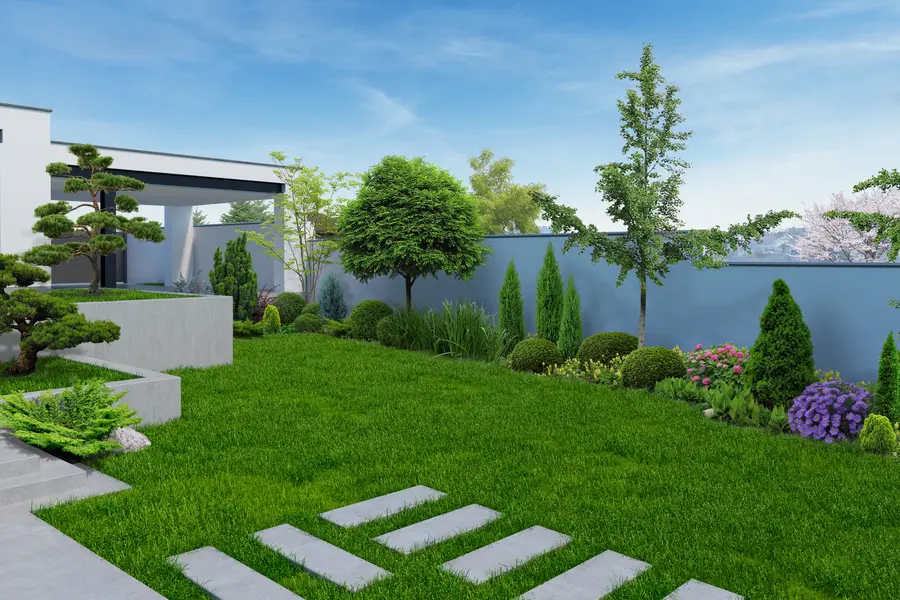
Here is a simple example. If your patio has warm tan pavers, you might use deep green plants, cream pots, and soft yellow flowers. If you have cool gray stone, you may want blue grasses, white blooms, and black metal furniture. In patio landscaping, repeating the same tones in small ways often looks better than using many colors at once.
Common Mistakes to Avoid
One common mistake is picking every color you like and trying to use them all. That can make a patio feel messy. Another mistake is forgetting that sunlight changes color. A bright red cushion may seem fun in the store but may look too harsh in strong afternoon sun.
People also forget about bloom time. A patio can look great in spring, then flat in summer if all the flowers fade at once. Mix plants with different bloom seasons. Also use foliage color. Silver leaves, dark green shrubs, and purple-toned plants can carry your color plan even when flowers are gone.
- Using too many bold colors at once
- Ignoring the color of permanent surfaces
- Choosing flowers without checking bloom season
- Forgetting shade, sun, and evening light
- Buying decor before making a full color plan
When to Keep Colors Soft or Bold
Soft colors work well in small patios because they can make the space feel larger and calmer. White, pale pink, soft blue, and light lavender often work nicely in quiet sitting areas. These shades can also reflect light and help darker corners feel brighter.
Bold colors can work well when used in small bursts. A bright blue pot, orange flowers by an entry point, or red cushions on one bench can draw the eye in a good way. The trick is balance. In patio landscaping, bold colors usually work best when the rest of the space is more neutral.
If you want a natural look, earth tones are a safe choice. Browns, greens, muted golds, and soft rust colors often blend well with stone, wood, and planting beds. If you want a more modern style, try fewer colors with stronger contrast, such as black, white, and deep green.
When to Call a Professional
Some patios are easy to plan. Others have many tricky parts, like mixed sunlight, odd layout lines, or several materials that do not match well. A professional can help if you are redoing the full patio, changing plant beds, adding walls, or trying to connect the patio to the whole yard. This can save time and help you avoid costly choices that do not work together.
Professional help also makes sense when drainage, grading, or plant health affects the design. Color is only one piece of the puzzle. A pretty plan still needs plants that fit the site and surfaces that hold up over time. If you want a polished result, getting advice early can make the whole project smoother.
Final Recommendation
If you want a patio that feels calm, inviting, and well planned, start with a simple color scheme and build from there. In Madison, OH, color choices should match your home, light conditions, and how you use the space. At Brothers Landscaping and Construction LLC, we can help shape patio landscaping that looks balanced and feels right for daily life. Call us at (440) 417-6988 to talk about ideas for your yard.